

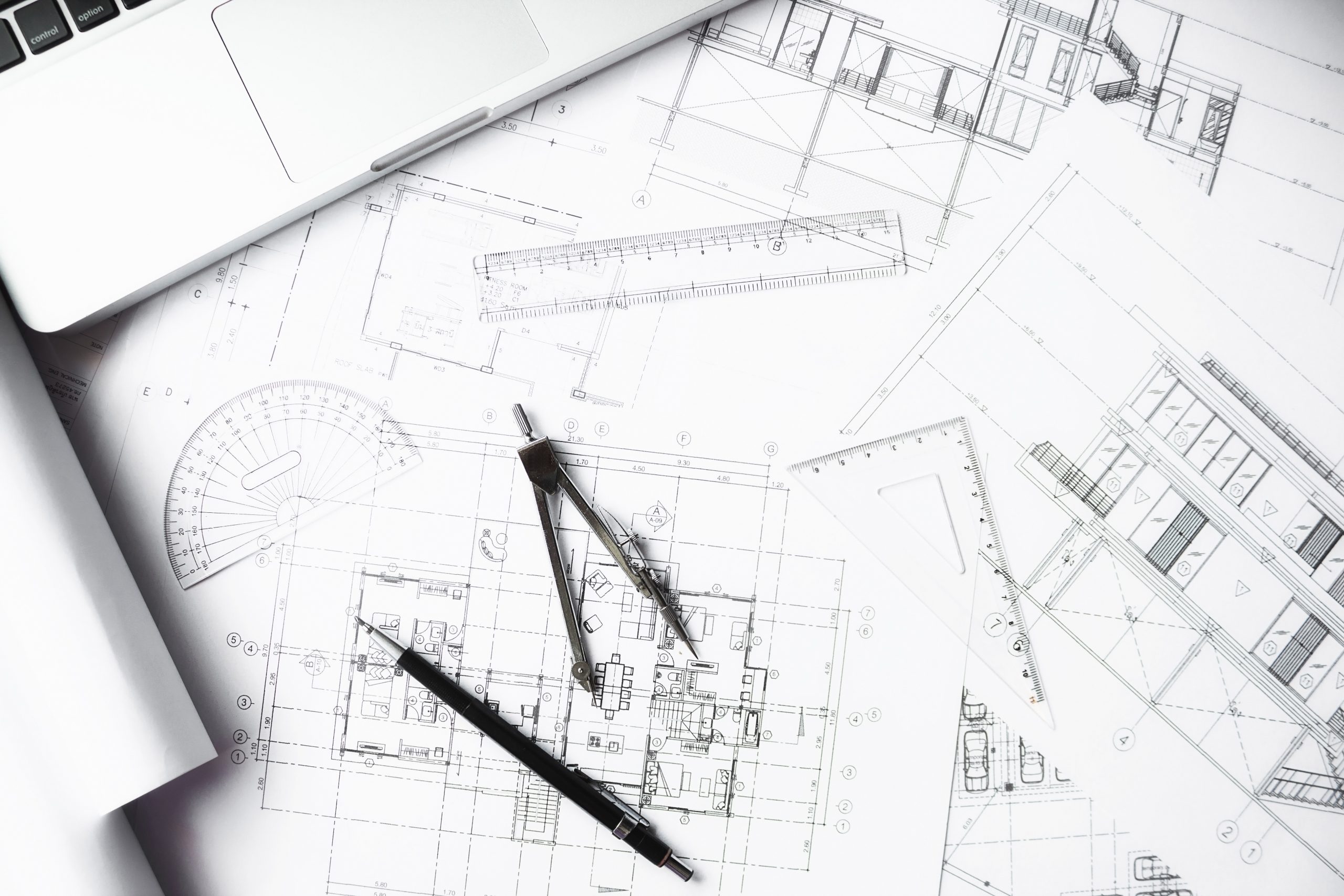
Construction errors cost the industry billions of dollars every year. Rework, delays, and material waste drain project budgets while frustrating everyone involved. The root cause often traces back to one problem: unclear communication between design teams and the people building the project.
Shop drawing services solve this critical gap. These specialized technical documents translate architectural visions into precise, buildable instructions that eliminate confusion on the jobsite. When contractors know exactly what to build and how to install it, errors drop dramatically.
What Makes Shop Drawing Services Different from Standard Plans
Shop drawing services create detailed fabrication and installation plans for specific building components. While architects produce design drawings showing what a building should look like, shop drawings explain how to actually construct each element.
Think of architectural plans as a cookbook recipe, and shop drawings as step-by-step cooking instructions with exact measurements and techniques. A structural engineer might specify “install steel beam,” but the shop drawing shows the beam’s exact length, connection bolt locations, weld specifications, and how it interfaces with surrounding components.
Professional shop drawing providers work with various trades, including structural steel, mechanical systems, electrical installations, plumbing, and architectural elements. Each drawing set contains precise dimensions, material specifications, fabrication methods, and quality standards that workers can follow without interpretation or guesswork.
How Shop Drawing Services Prevent Costly Mistakes
The precision built into professional shop drawings catches problems before they reach the construction site. Here’s how this process protects your project from common errors.
Eliminating Dimensional Conflicts
Measurement mistakes rank among the most expensive construction errors. A steel beam fabricated two inches short requires emergency ordering, fabrication delays, and schedule disruptions. Shop drawing services prevent this by verifying every dimension against multiple sources.
Drafters cross-reference architectural plans, structural calculations, and field measurements to ensure accuracy. They identify discrepancies early when a simple drawing revision solves the problem, rather than discovering issues after fabrication when corrections cost thousands.
Coordinating Multiple Building Systems
Modern buildings pack numerous systems into tight spaces. HVAC ducts, electrical conduits, plumbing pipes, fire protection systems, and structural elements all compete for the same areas, especially in ceiling and wall cavities.
Shop drawing services coordinate these overlapping systems through clash detection reviews. Experienced drafters overlay mechanical, electrical, and plumbing drawings to identify where components might interfere with each other. A plumbing pipe route gets adjusted on paper rather than being demolished and rerouted after installation.
This coordination delivers tangible benefits:
- Reduced rework costs by identifying conflicts before installation
- Faster construction schedules with fewer delays from coordination issues
- Better space utilization through optimized routing of building systems
- Lower material waste from avoiding incorrect installations
- Improved building performance when systems are installed as designed
Clarifying Material Specifications
Generic specifications leave room for costly misinterpretation. A project calling for “stainless steel fasteners” might need grade 316 for corrosion resistance in specific locations, but installers might use less expensive grade 304 without realizing the difference matters.
Shop drawing services specify exact material grades, finishes, performance ratings, and manufacturer requirements. These detailed specifications ensure fabricators order the correct materials and installers can verify they’re using the right components before installation.
Standardizing Installation Procedures
Different workers interpret the same instructions differently without clear guidance. One installer might position a component based on centerlines while another works from edges, creating inconsistencies that cause problems during later construction phases.
Professional shop drawings eliminate this ambiguity by showing exact installation methods, reference points, and sequences. Workers across different shifts and subcontractors follow identical procedures, maintaining consistency throughout the project.
The Shop Drawing Review Process That Catches Errors
Quality shop drawing services follow a rigorous multi-stage review process designed to catch errors before they impact construction.
The process starts when drafters receive project plans and specifications. They analyze these documents thoroughly, noting areas needing clarification or additional detail. Experienced drafters spot common problem areas based on previous projects, flagging potential issues proactively.
Next comes the creation of preliminary shop drawings incorporating manufacturer data, industry standards, and project-specific requirements. These drawings undergo internal technical review by senior drafters or engineers who verify calculations, check dimensions against source documents, and ensure code compliance.
The drawings then move to formal submittal review by the project’s design team. Architects verify aesthetic requirements, engineers confirm structural adequacy, and consultants check specialized systems. This review stage often generates revision requests that improve buildability and performance.
After incorporating design team feedback, shop drawing services produce the final approved construction documents. These drawings receive stamps and signatures indicating official approval, creating a clear paper trail showing what was approved and when.
Real-World Impact on Construction Projects
A commercial office building project demonstrates the value of professional shop drawing services. The project included complex curtain wall systems with strict waterproofing requirements and precise alignment tolerances.
During shop drawing development, drafters identified that the window framing details shown in the architectural plans conflicted with the structural beam locations. The structural beams projected into spaces where window frames needed to be installed, creating an impossible situation.
By identifying this conflict during the shop drawing review, the team redesigned the beam connections and adjusted the window framing before any fabrication took place. This early detection saved an estimated $180,000 in potential rework costs and prevented a six-week schedule delay.
Technology Improving Shop Drawing Accuracy
Modern shop drawing services leverage advanced software tools that enhance accuracy and coordination. Building Information Modeling (BIM) platforms create three-dimensional models where all building components exist in a coordinated digital space.
These 3D models automatically detect physical conflicts between different systems. Software highlights where a duct intersects a beam or where insufficient clearance exists for maintenance access. This automated clash detection catches errors that human reviewers might miss.
Digital workflows also improve version control and communication. Cloud-based platforms ensure all project participants have access to current approved drawings rather than working from outdated versions that cause coordination problems.
FAQs
What exactly are shop drawing services and who needs them?
Shop drawing services create detailed fabrication and installation drawings for construction projects. Contractors, fabricators, and specialty subcontractors use these documents to manufacture and install building components accurately. Any project involving custom fabrication, complex systems coordination, or precise installation tolerances benefits from professional shop drawings.
How much do shop drawing services typically cost?
Shop drawing costs vary based on project complexity, building systems involved, and required turnaround time. Simple projects might cost a few thousand dollars, while complex commercial or industrial facilities require larger investments. However, these costs represent a small fraction of potential rework expenses from construction errors, making shop drawings a worthwhile investment.
What is the typical timeline for shop drawing development and approval?
Standard shop drawing timelines run 2-4 weeks from initial drafting through final approval, depending on project complexity and design team responsiveness. Fast-track projects can sometimes achieve shorter timelines with additional resources, while complex systems requiring extensive coordination may need longer development periods.
Can shop drawing services work with existing building plans?
Yes, professional shop drawing services routinely work from architectural and engineering plans provided by design teams. Drafters interpret these plans and create detailed fabrication drawings based on the design intent. They identify areas needing clarification and request additional information from designers when necessary to ensure accuracy.
How do shop drawing services handle revisions and changes during construction?
Quality shop drawing providers maintain clear revision tracking systems showing what changed, when, and why. When design changes occur during construction, drafters update affected drawings and resubmit them through the approval process. Proper version control ensures workers always access the current approved information, preventing errors from outdated drawings.