

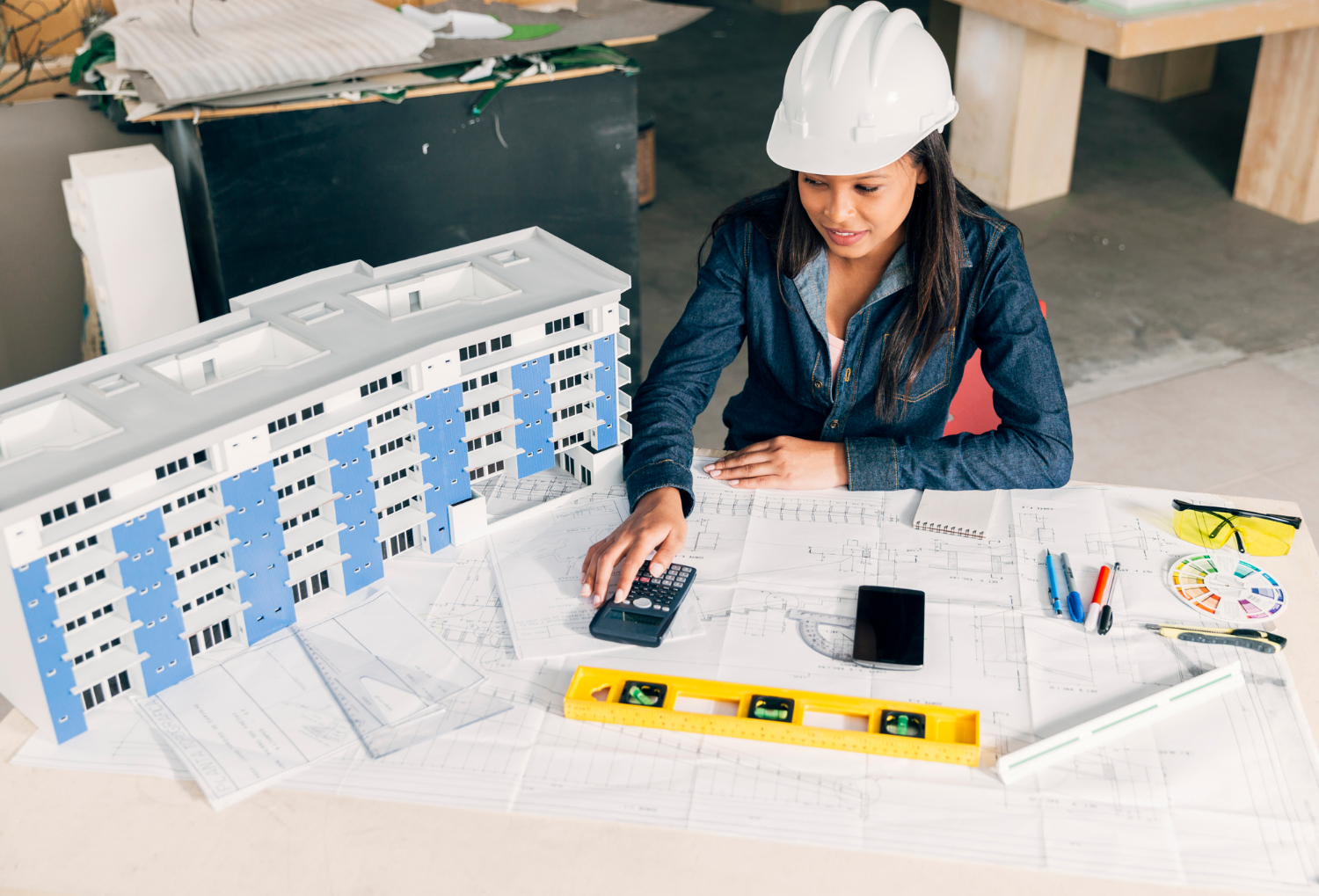
The world of construction architectural services is rapidly evolving, driven by technological innovation, sustainability demands, and changing client expectations. As we approach 2026, companies seeking to stay ahead need to understand the latest trends shaping the industry. From cutting-edge design software to eco-friendly materials and smart construction techniques, these trends will not only impact efficiency and cost but also enhance the aesthetic and functional value of architectural projects.
Leveraging Smart Technology in Construction Architectural Services
One of the most transformative trends in construction architectural services is the integration of smart technology. Building Information Modeling (BIM) has been a game-changer, enabling architects and construction professionals to create detailed digital models of projects. In 2026, BIM will evolve further with AI-driven predictive analytics, helping teams anticipate potential structural issues and optimize workflows.
Moreover, smart sensors and IoT devices are being used to monitor construction sites in real-time. These devices track environmental conditions, worker safety, and equipment efficiency, reducing errors and delays. Companies that adopt these technologies can offer clients superior project oversight and guarantee better results.
Sustainable and Eco-Friendly Architectural Designs
Sustainability has moved from a trend to a core requirement in construction and architectural services. Architects are increasingly incorporating eco-friendly materials, energy-efficient systems, and green building practices. For instance, using recycled steel, low-carbon concrete, and locally sourced timber not only reduces environmental impact but also enhances long-term building performance.
Rooftop gardens, solar panels, and advanced water management systems are becoming standard in modern projects. These sustainable features appeal to environmentally conscious clients and can significantly reduce operational costs over the building’s lifespan. Construction companies that showcase their commitment to sustainability can position themselves as trusted, forward-thinking service providers.
Revolutionary Design Trends and Aesthetic Approaches
The aesthetic aspect of architectural services continues to evolve, with innovative design concepts gaining traction. Minimalist designs, characterized by clean lines, open spaces, and functional layouts, remain popular. However, there is also a rising demand for luxurious textures and materials, such as velvet finishes in interior elements, which can be highlighted through trends like simple velvet dress designs and velvet dress designs for wedding-inspired interiors. Incorporating these textures subtly in furniture, wall panels, or decorative accents can elevate the sophistication of a project.
Designers are also exploring new velvet dress design ideas in creative architectural applications. For example, textured wall coverings or custom upholstery inspired by the designs of velvet dresses in Pakistan, or printed velvet dress designs, can add a touch of elegance. These creative approaches allow clients to experience personalized, high-end environments, enhancing the overall value proposition of construction architectural services.
Modular Construction and Prefabrication
Efficiency is a critical consideration in 2026, and modular construction is leading the way. Prefabricated components allow faster project completion while maintaining high-quality standards. Architects can now design modules with precision, ensuring seamless on-site assembly. This approach reduces labor costs, minimizes waste, and accelerates project timelines. To make this process even smoother, our construction takeoff services help accurately estimate materials and costs, ensuring your modular projects stay on budget and on schedule.
Prefabrication also opens up opportunities for design experimentation. Architects can integrate unique materials and finishes, such as new velvet dress design-inspired interiors, without compromising on durability or construction timelines. Clients benefit from faster project delivery and aesthetically rich, functional spaces.
Integration of Virtual and Augmented Reality
- Immersive Client Experience: VR and AR allow clients to virtually walk through a building before construction begins, offering a realistic sense of scale, layout, and design aesthetics.
- Material Visualization: Test different materials, colors, and design elements to reduce costly mistakes.
- Enhanced Design and Build Services: VR and AR improve accuracy and transparency, ensuring clients can see exactly how their projects will look and function.
- Interactive Planning: Clients can provide feedback and make informed decisions during the design phase.
Smart Urban Planning and Resilient Infrastructure
As cities expand, smart urban planning is becoming increasingly relevant. Construction architectural services now emphasize resilient infrastructure capable of withstanding environmental challenges. Architects are integrating climate-adaptive designs, flood-resistant structures, and energy-efficient urban layouts. These solutions are crucial for communities facing rapid urbanization and climate change.
Resilient designs often incorporate multipurpose spaces and sustainable landscaping, which improve both the functionality and aesthetic appeal of urban developments. By offering forward-looking solutions, architectural firms can establish authority and reliability in the market.
Actionable Tips for Clients Seeking Construction Architectural Services
- Prioritize Technology Integration: Choose firms that use BIM, VR, and smart sensors to ensure efficient and transparent project execution.
- Evaluate Sustainability Practices: Look for companies committed to eco-friendly materials and green building standards.
- Focus on Design Innovation: Seek services that blend functionality with aesthetics, incorporating modern textures and finishes.
- Consider Modular Solutions: Prefabricated designs can save time and cost without compromising quality.
- Check for Urban Resilience: Ensure the project accounts for environmental challenges and long-term durability.
FAQs
1. What are the latest trends in construction architectural services for 2026?
The latest trends include AI-driven BIM, smart sensors, sustainable materials, modular construction, VR/AR integration, and resilient urban planning. These innovations enhance efficiency, design quality, and client satisfaction.
2. How can velvet-inspired designs be incorporated into construction architectural services?
Velvet-inspired designs can influence interior finishes such as wall coverings, furniture, and upholstery. Examples include simple velvet dress designs or printed velvet dress designs-inspired textures that add elegance and luxury to spaces.
3. Why is modular construction gaining popularity in architectural services?
Modular construction allows faster, cost-effective project completion without compromising quality. It supports experimental designs, including custom finishes and innovative textures, ensuring both aesthetic and functional excellence.
4. How do sustainable architectural practices benefit clients?
Sustainable practices reduce environmental impact, lower energy costs, and improve building longevity. Features like solar panels, green roofing, and eco-friendly materials ensure clients enjoy long-term value.
5. What role does VR/AR play in modern construction and architectural services?
VR/AR allows clients to experience virtual walkthroughs, visualize design elements, and test materials before construction begins. This ensures informed decision-making and minimizes costly design errors.